
A practical field guide for equipment builders, service teams, and fleet engineers dealing with a pilot control handle that binds, hesitates, or fails to return to center.
Introduction
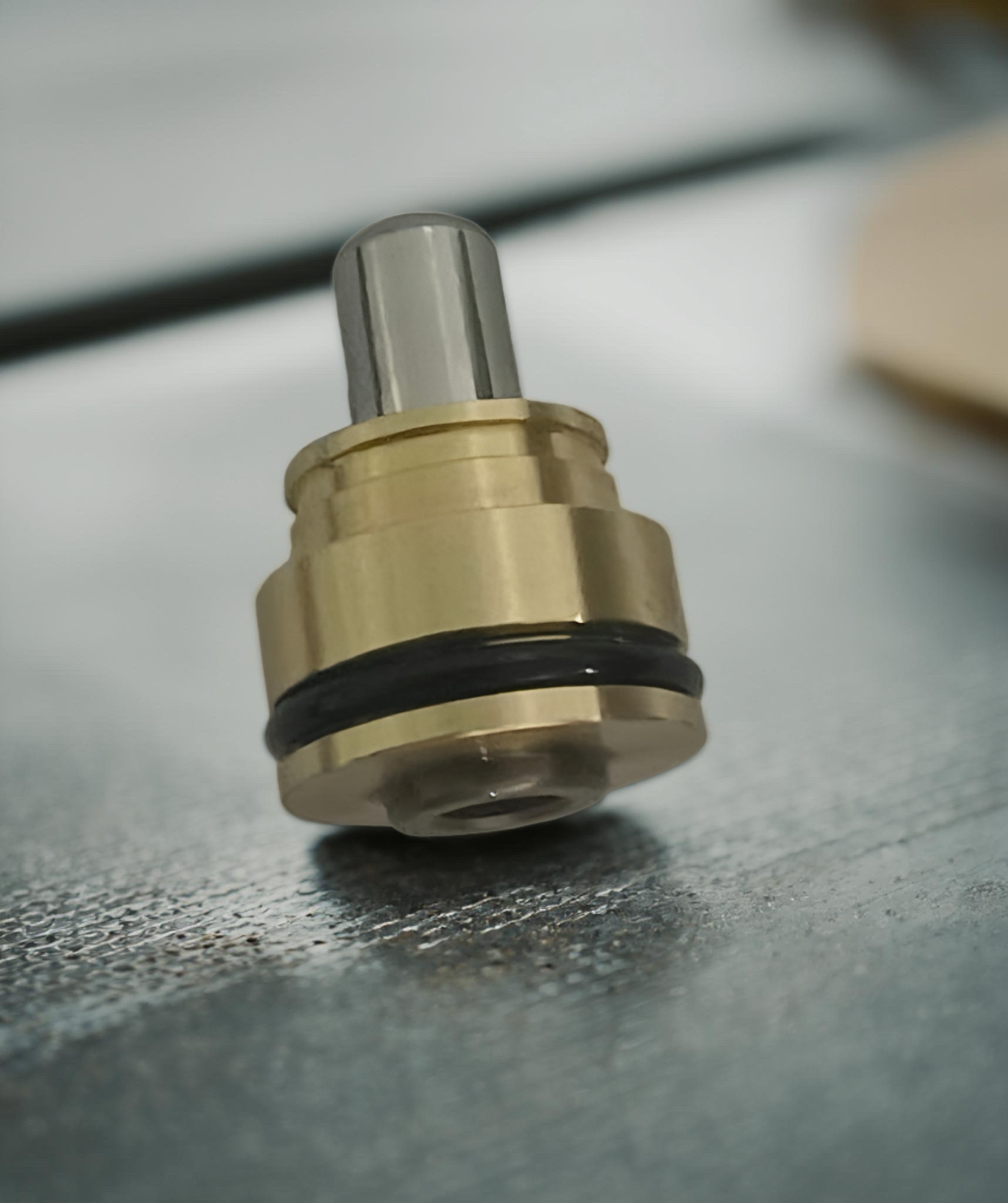
A responsive hydraulic pilot joystick should move smoothly through its full stroke and snap back to neutral the moment you release it. When the internal push plunger (often called the “bullet” or “push rod”) starts to stick, operators feel hesitation, dead travel, or a handle that does not recenter — and on construction, marine, winch, or mobile equipment, that lost control directly affects productivity and safety.
During machine commissioning at the OEM, a sticky plunger is one of the most frequently reported complaints on a pilot control handle. The good news: in most cases it is preventable, and most causes can be identified and fixed without replacing the entire valve.
Why Does the Push Rod Stick Inside the Guide Bushing?
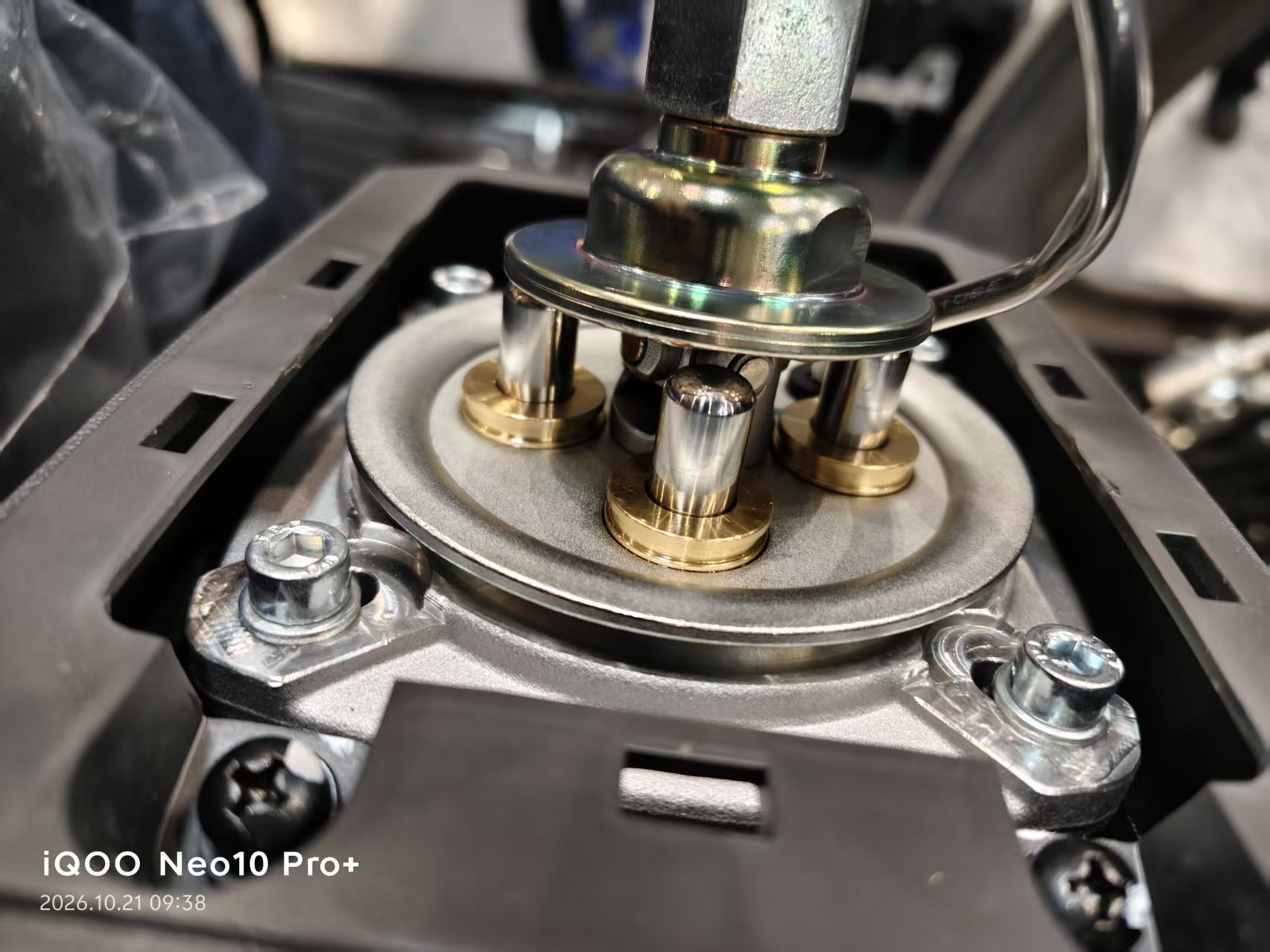
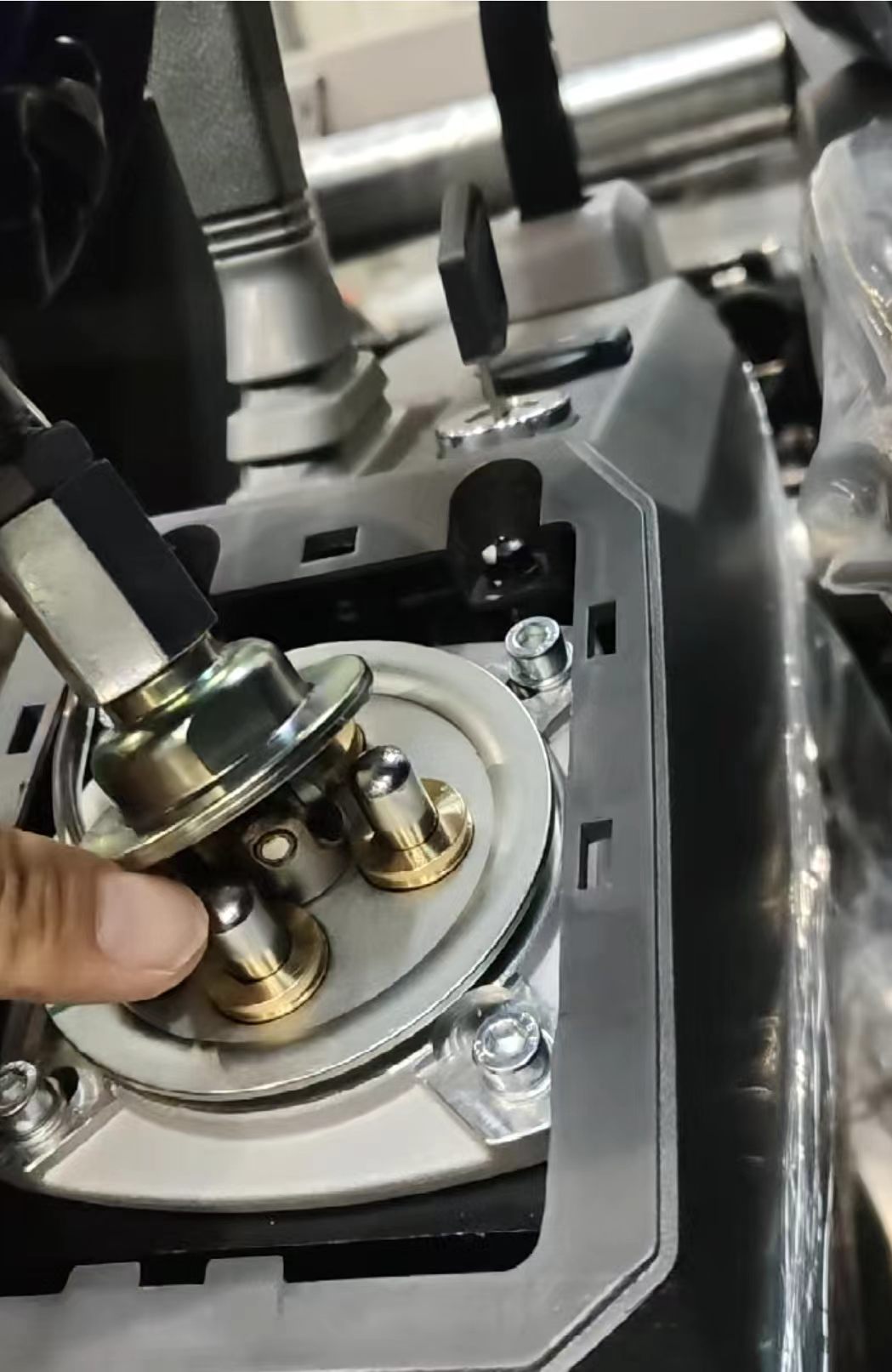
The plunger slides inside a brass guide bushing and is pressed down by the cam plate as you tilt the handle; a spring returns it to neutral on release. Binding usually comes from one of seven causes:
1. Contamination (the #1 cause in the field). Metal chips, brass swarf, sealing flash, dust, or residual anti-rust wax trapped between the plunger and bushing cause intermittent catching. Once hydraulic fluid is contaminated, the problem returns again and again.
2. Burrs, edge roll-over, or scoring. Machining burrs, bushing edge roll-over during press-fit, or axial scratches on the plunger create a roughness that resists smooth motion.
3. Wrong clearance or misalignment.Too tight a plunger-to-bushing clearance causes seizure; if the cam plate, plunger, and pilot spool are not coaxial, side load creates a binding force the harder you press.
4. Crooked bushing or housing distortion.A skewed pressed-in bushing, or uneven bolt tightening that warps the housing, misaligns the guide bore.
5. Dry friction or wrong lubricant. Insufficient assembly grease, incorrect grease grade, or thickened lubricant at low temperature makes movement feel gummy.
6. Return spring issues. A tilted, corroded, or mis-seated spring, or a retaining clip not fully in place, stops the plunger from coming back to center.
7. Seal interference.A rolled or extruded O-ring/back-up ring behind the plunger blocks movement and often comes with pressure loss.
Step-by-Step Field Troubleshooting
Work from simplest to most invasive — do not strip the whole valve on the first sign of trouble:
1. Isolate the direction.Tilt the handle in all four directions to identify exactly which plunger binds, then service only that circuit.
2. Clean first.Remove the plunger and bushing, flush the fit area with solvent, and inspect for chips or swarf; flush the circuit and filter the hydraulic oil before reassembly.
3. Inspect for damage.Look for axial scoring on the plunger or roll-over at the bushing edge; dress light burrs with an oil stone, and replace any visibly scored or bent plunger rather than lapping it.
4. Check fit and alignment. The plunger should drop smoothly through the bushing under its own weight with no wobble; verify the cam plate, plunger, and spool share one axis to remove side load.
5. Check bushing and assembly stress. Confirm the bushing is upright and tighten flange bolts in a diagonal, gradual sequence to avoid housing twist.
6. Verify the return spring. Make sure it sits straight, is free of corrosion, and returns the plunger to neutral without assistance.
7. Relubricate.Use the recommended low-temperature assembly grease and wipe away shipping anti-rust wax.
How to Keep the Joystick Smooth Over the Long Term
Reliable control handles are engineered to avoid sticking before it reaches the field:
- Contamination control: cleaned parts, inspected bores, and a defined hydraulic cleanliness standard on every commissioning.
- Precision fit: controlled plunger-to-bushing clearance with selective matching, surface-hardened or chrome-plated plungers, and self-lubricating bronze bushings.
- Coaxial design: cam plate, plunger, and spool aligned vertically to eliminate side loading, with diagonal torque-controlled fasteners.
- Dependable return: positively located springs with adequate neutral stroke.
- 100% stroke-and-return testing on every unit, including low-temperature checks for grease viscosity.
Built for Smooth, Repeatable Control — Flag-up Hydraulic
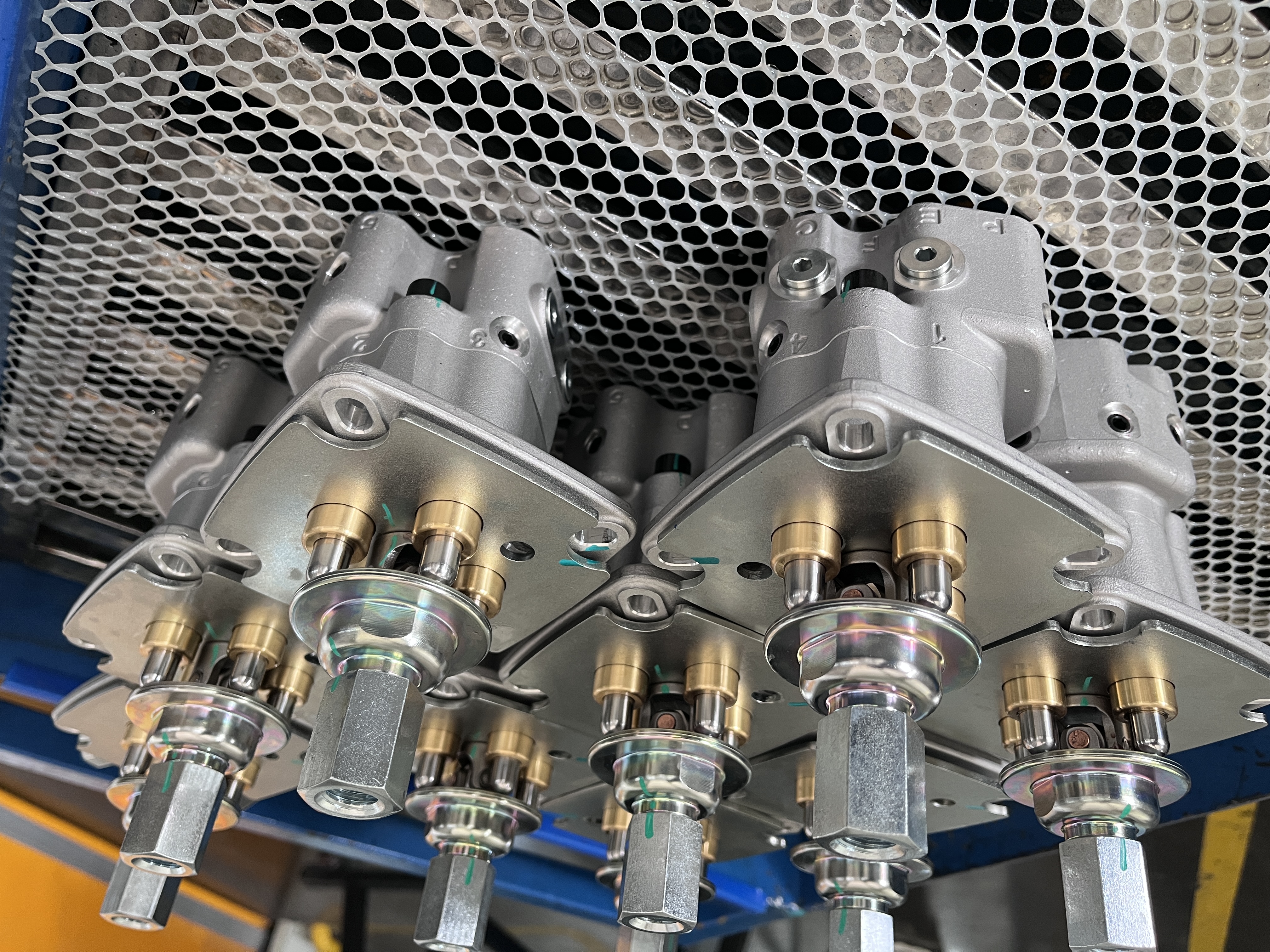
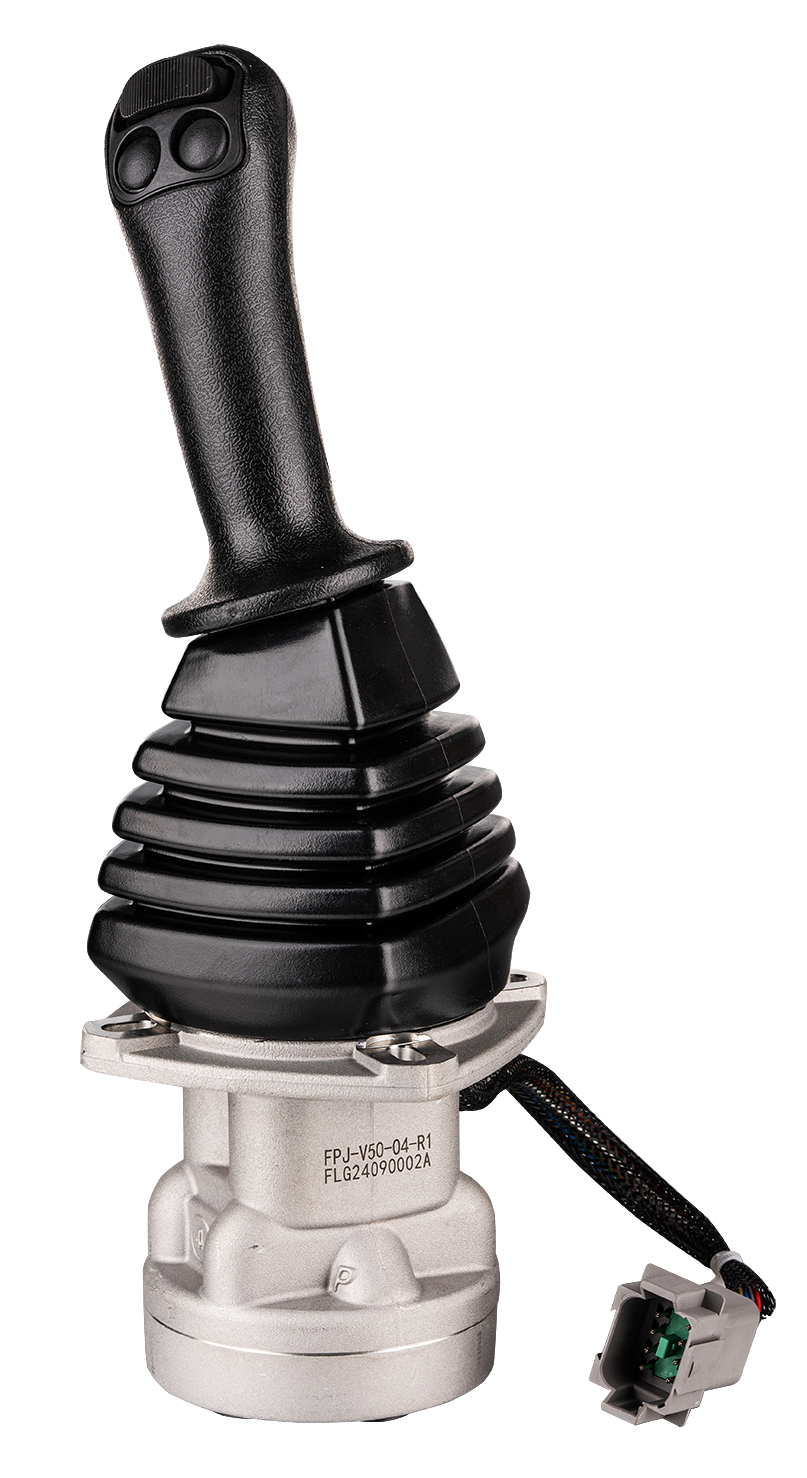
At Ningbo Flag-up Hydraulic Co., Ltd., we design and manufacture pilot control joysticks and integrated valve assemblies for winches, marine deck machinery, construction equipment, and mobile hydraulic systems. Every handle undergoes individual plunger-stroke and return testing, matched clearances, and clean-assembly controls — so the unit arrives smooth out of the box and stays responsive through long service.
Whether you need a replacement handle, a custom multi-axis pilot joystick, or an integrated valve group for your machine, our engineering team can match your flow, pressure, and mounting requirements.
Get in touch for a catalog, sample, or an engineering quote — tell us your application, flow rate, and operating pressure, and we will recommend the right pilot control handle.
Post time: Oct-21-2026