Manifold block system(Hydraulic Integrated Circuit)
-

3-way pressure reducing valve 15Bar(110981570 1124 AM 11F-15)
-

3-way pressure reducing valve 30Bar(1122739 50 AM 11E-30)
-

wheel excavator manifold block with accumulator and cartridge valves
-

Oil source valve block – hydraulic components
Flag-up hydraulic manifold block system( Hydraulic integrated circuit) act as the "switchboard" or "nerve center" of a hydraulic system. They are compact, precision-machined blocks that consolidate multiple valves and flow paths into a single unit, directing hydraulic fluid between pumps, actuators, and other components.
1. Introduction: What is a Manifold Block?
A hydraulic manifold is essentially a hollow metal block (usually aluminum, steel, or ductile iron) that replaces a web of external hoses and fittings with internal drilled passages. It serves as a central hub where various valves—such as pressure relief, directional control, and flow control valves—are mounted or inserted.
Core Functions
• Flow Distribution: It takes fluid from a single pump and diverts it to multiple cylinders or motors.
• Pressure Regulation: By housing relief valves, it ensures the system doesn't exceed safe pressure limits.
• System Integration: It combines several independent hydraulic circuits into one space-efficient location.
2. Types of Manifold Designs
There are two primary ways these blocks are constructed:
|
Type |
Description |
Best For |
|
Mono-block |
A single solid block machined with all internal passages and valve cavities. |
High-reliability, high-pressure, and high-volume production machines. |
|
Modular (Stackable) |
Individual "slices" or blocks that can be stacked together and held by tie rods. |
Systems that may need future expansion or custom configurations. |
3. Materials & Pressure Ratings
The choice of material depends on the operating environment and the required pressure:
• Aluminum (6061-T6): Lightweight and easy to machine. Generally used for pressures up to 210 bar (3,000 psi).
• Ductile Iron: Offers high strength and excellent vibration damping. Used for pressures up to 350 bar (5,000 psi).
• Steel (1045 or 4140): The strongest option, capable of withstanding pressures exceeding 420 bar (6,000 psi). Ideal for heavy shock loads.
4. Key Applications
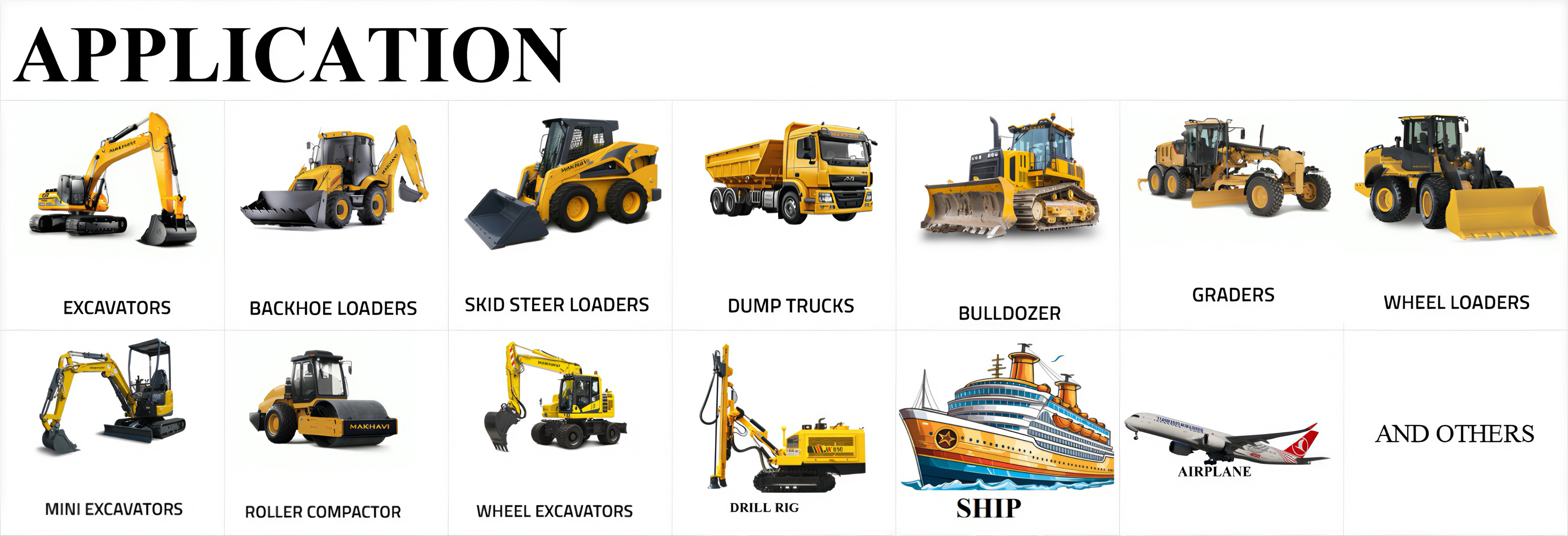
Because they reduce leak points and assembly time, manifold blocks are used in nearly every industry that relies on fluid power.
A. Mobile Equipment
• Excavators & Backhoes: A central manifold controls the boom, bucket, and track movement simultaneously.
• Agricultural Machinery: Used in tractors to manage steering, hitch lifting, and auxiliary tool attachments.
B. Industrial Manufacturing
• Hydraulic Presses: Manifolds manage the high-speed "pre-fill" and high-pressure stamping cycles.
• Injection Molding: Precisely controls the clamping and injection speeds of the plastic molds.
C. Aerospace & Defense
• Flight Controls: Manifolds distribute fluid to the actuators that move a plane's flaps and landing gear.
• Naval Systems: Controls steering rudders and heavy-duty deck winches.
5. Major Advantages
• Reduced Leakage: By eliminating dozens of threaded hose connections, you remove the most common failure points in a hydraulic system.
• Compact Design: Manifolds allow complex circuits to fit into tight spaces, such as inside a vehicle chassis.
• Improved Efficiency: Shorter, smoother internal passages reduce pressure drops and heat generation, saving energy.
• Simplified Maintenance: Most manifolds use cartridge valves, which can be unscrewed and replaced individually without dismantling the entire block.