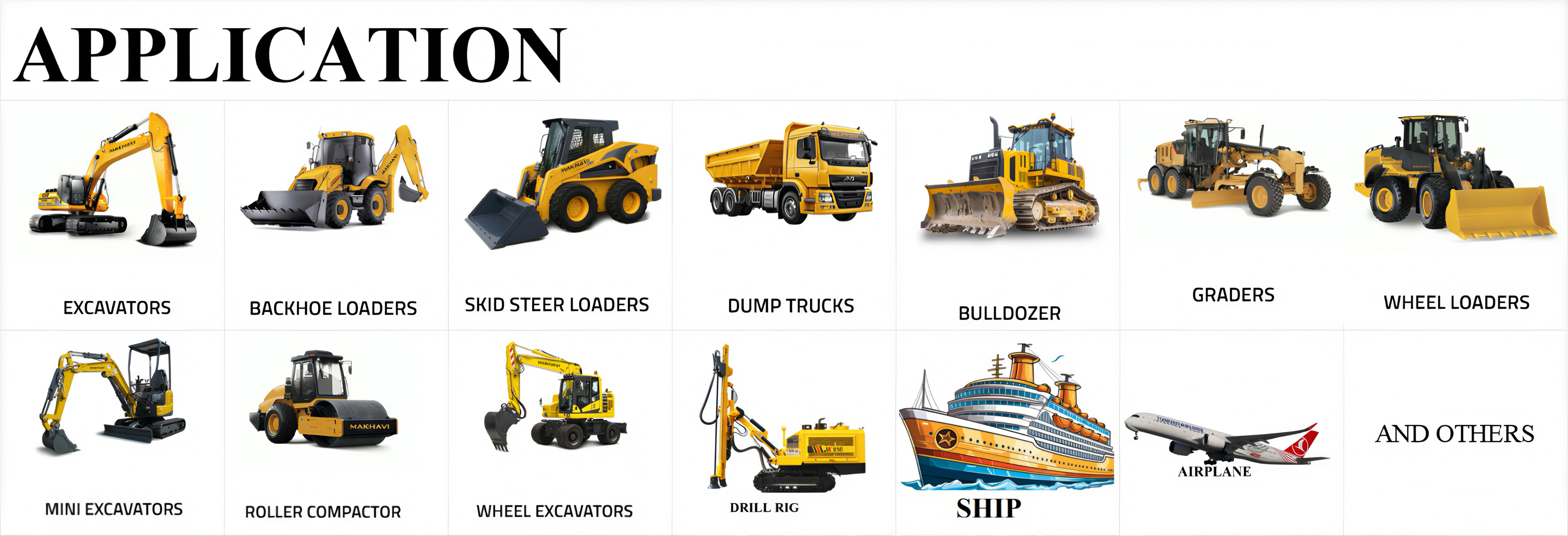
Hydraulic foot pedal & control pedal
-

Loader hydraulic pilot control valve with violin plate design
-

Loader hydraulic pilot control valve
-
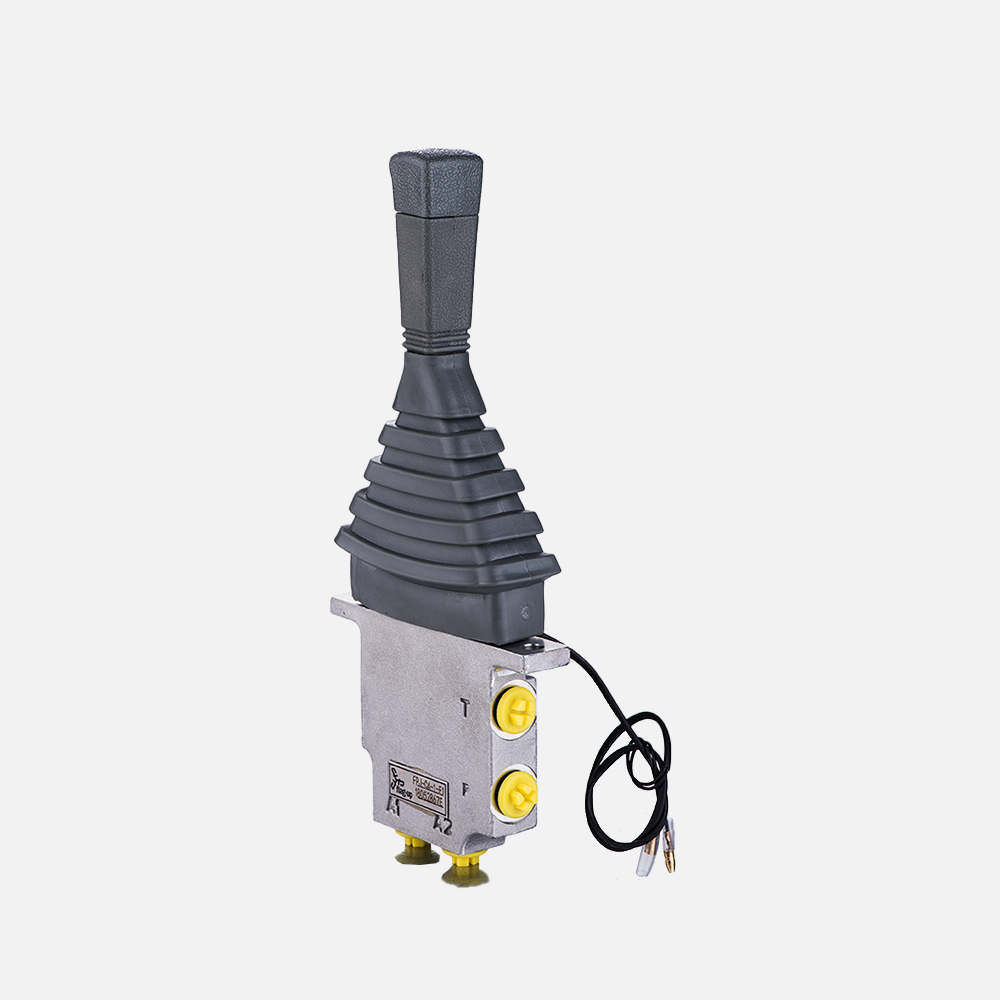
Single pilot operated valve Dozer valve
-

Stackable Multiple pilot operated valve
-

Loader hydraulic pilot buffer foot pedal
-
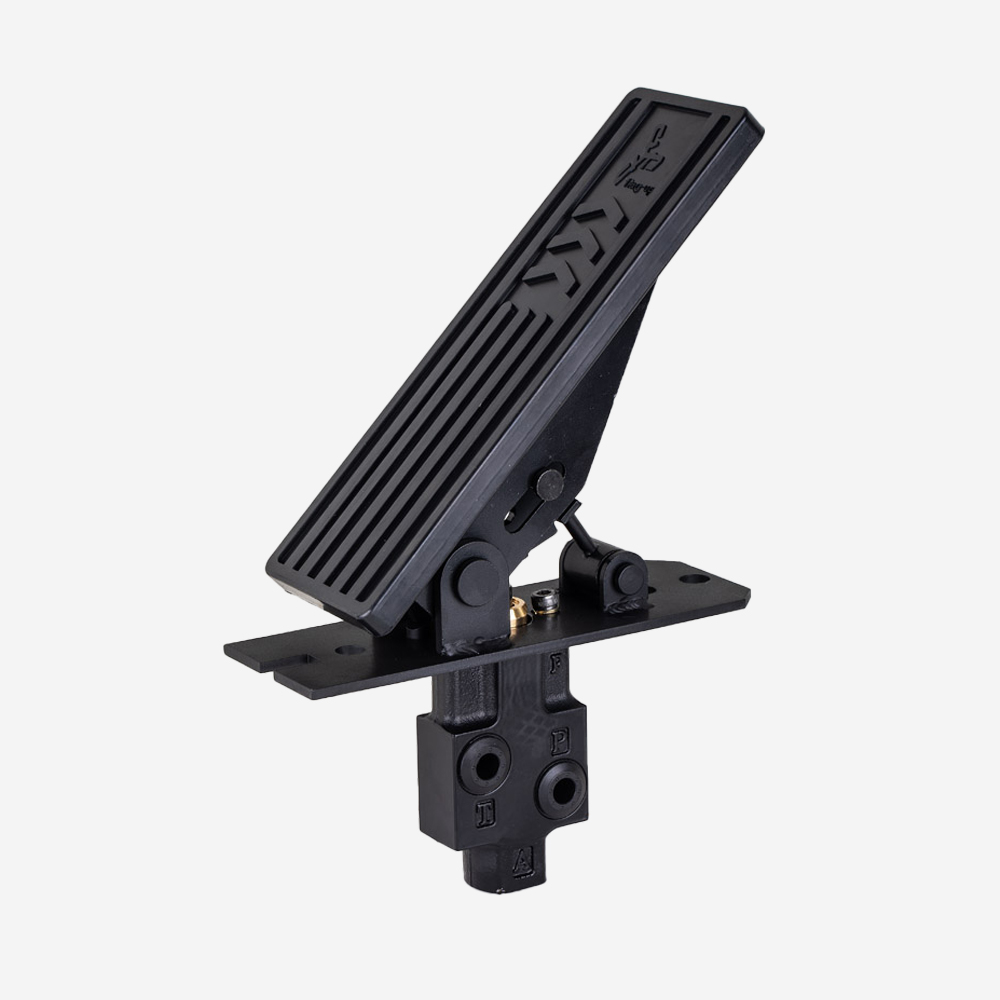
Single-hole hydraulic foot pedal
-

Hydraulic Foot Valve For Excavator Walking
-

Hydraulic Pilot Single Foot Pedal
-

Excavator Hydraulic Breaker Foot Pedal
-

Hydraulic Pilot Double-foot single pedal(81100218)
-

excavator hydraulic buffer foot valve (81100077)
-
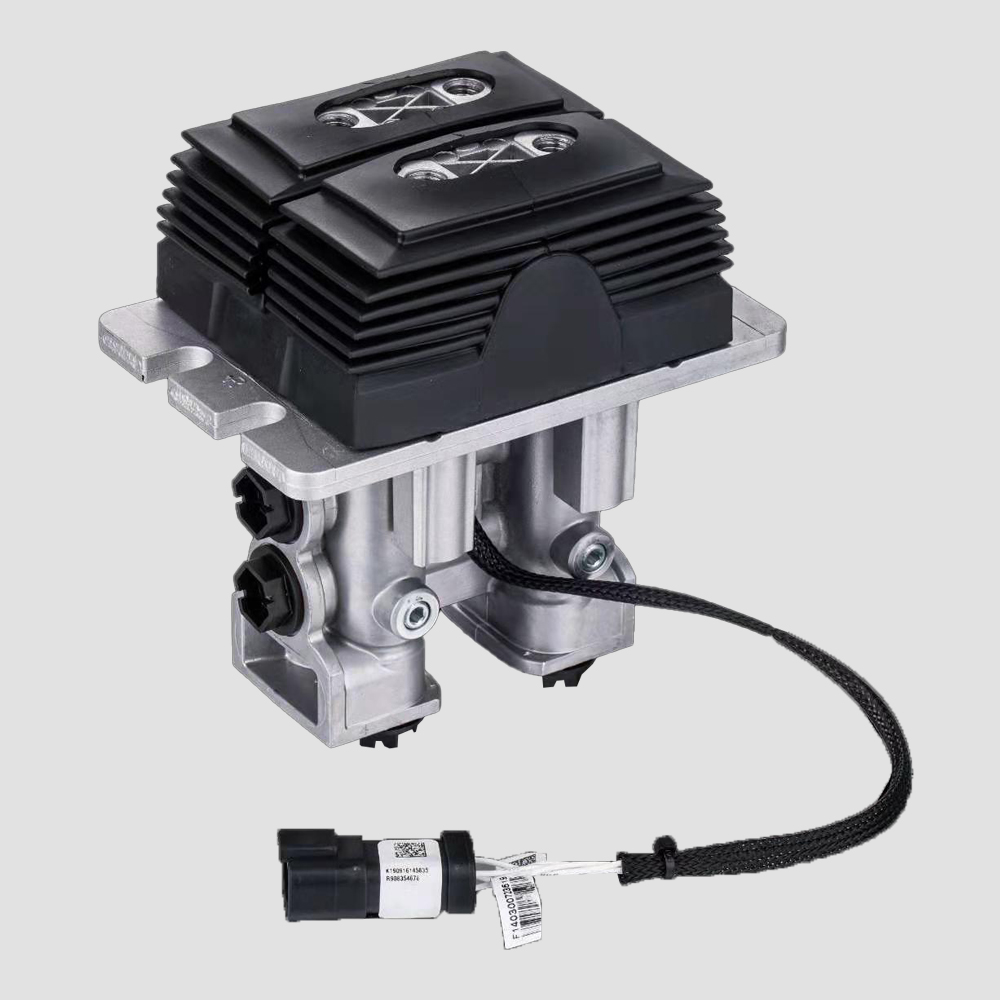
Electric feedback buffer foot pedal
Flag-up hydraulic foot pedals and control pedals are critical interfaces used to manage force and movement in heavy machinery, vehicles, and precision simulators. They allow for hands-free operation, enabling an operator to control speed, pressure, or direction while their hands are busy steering or handling tools.
1. How They Work
At their core, these pedals convert mechanical foot pressure into hydraulic pressure.
• The Master Cylinder: When you press the pedal, it pushes a piston inside a master cylinder. This displaces hydraulic fluid through sealed lines.
• The Slave Cylinder/Actuator: The fluid pressure travels to a "slave" cylinder at the other end, which moves a mechanical part (like a brake pad, a clutch, or a valve spool).
• Proportional Control: Most hydraulic pedals are designed for proportional control. The further you press the pedal, the more fluid is displaced, allowing for a gradual increase in power or speed rather than a simple on/off switch.
2. Key Types of Hydraulic Pedals
|
Type |
Primary Function |
Common Application |
|
Brake Pedals |
Generates high pressure to slow or stop motion. |
Heavy trucks, tractors, aircraft. |
|
Pilot Control Pedals |
Sends low-pressure "pilot signals" to a larger main valve. |
Excavators (swing/boom control), forklifts. |
|
Clutch Pedals |
Disengages the engine from the transmission. |
Manual transmission vehicles, industrial winches. |
|
Inching Pedals |
Allows a vehicle to creep slowly while keeping engine RPM high. |
Forklifts, loaders (for high hydraulic lift power). |
|
Sim Racing Pedals |
Replicates the "stiff" feel of a real race car brake. |
High-end racing simulators (e.g., Heusinkveld, Fanatec). |
3. Core Components
• Valve Body: Typically made of cast iron or aluminum to withstand high internal pressures.
• Spool/Piston: The moving internal part that directs fluid to different ports.
• Return Spring: Ensures the pedal returns to the "neutral" position as soon as you lift your foot.
• Rubber Boot: A protective cover that keeps dirt, dust, and moisture out of the internal hydraulic seals.
• Metering Curves: Internal geometry that determines how "sensitive" the pedal is (e.g., a "soft" start followed by a "sharp" increase in pressure).
4. Advantages vs. Mechanical/Electrical Pedals
• Force Multiplication: Hydraulic systems can generate massive force with relatively little foot effort.
• Tactile Feedback: Unlike basic electrical pedals (which feel "mushy"), hydraulic pedals provide a natural resistance that builds as you press harder, giving the operator better "feel."
• Durability: Because they rely on fluid rather than complex gears or cables, they are less prone to snapping or wearing out in harsh, dirty environments.
5. Maintenance Tips
• Check Fluid Levels: Low fluid can lead to "spongy" pedals where the action feels delayed or weak.
• Bleed the System: Air bubbles in the hydraulic lines compress more than fluid does, which can cause the pedal to go all the way to the floor without activating the machine.
• Inspect Seals: Look for leaks around the base of the pedal or the master cylinder; a leak is the most common cause of system failure.