Hydraulic brake valve & filling valve
-

(loaders, graders, and large haul trucks)Hydraulic Dual-Circuit Brake Valve
-

Wheel excavator hydraulic brake valve
-

Wheel excavator hydraulic brake filling valve (pre-fill valve)
Flag-up hydraulic systems often rely on specialized valves to manage high-force tasks like stopping a 50-ton vehicle or rapidly moving a heavy press. Flag-up Brake Valve and Filling Valve (also known as a pre-fill valve) serve these two distinct but equally critical roles.
1. Hydraulic Brake Valve
A hydraulic brake valve is a pressure-control device that converts mechanical input (like your foot on a pedal) into regulated hydraulic pressure to actuate a braking mechanism.
Key Functions
• Proportional Control: It ensures that the braking force is proportional to how hard you press the pedal, allowing for "feathering" or smooth stops.
• Pressure Limitation: It prevents the system from exceeding a safe maximum pressure, which could burst lines or lock wheels uncontrollably.
• Priority Management: In many machines, the brake valve is part of a "priority circuit," ensuring the brakes always get oil even if other hydraulic functions (like steering) are active.
Common Applications
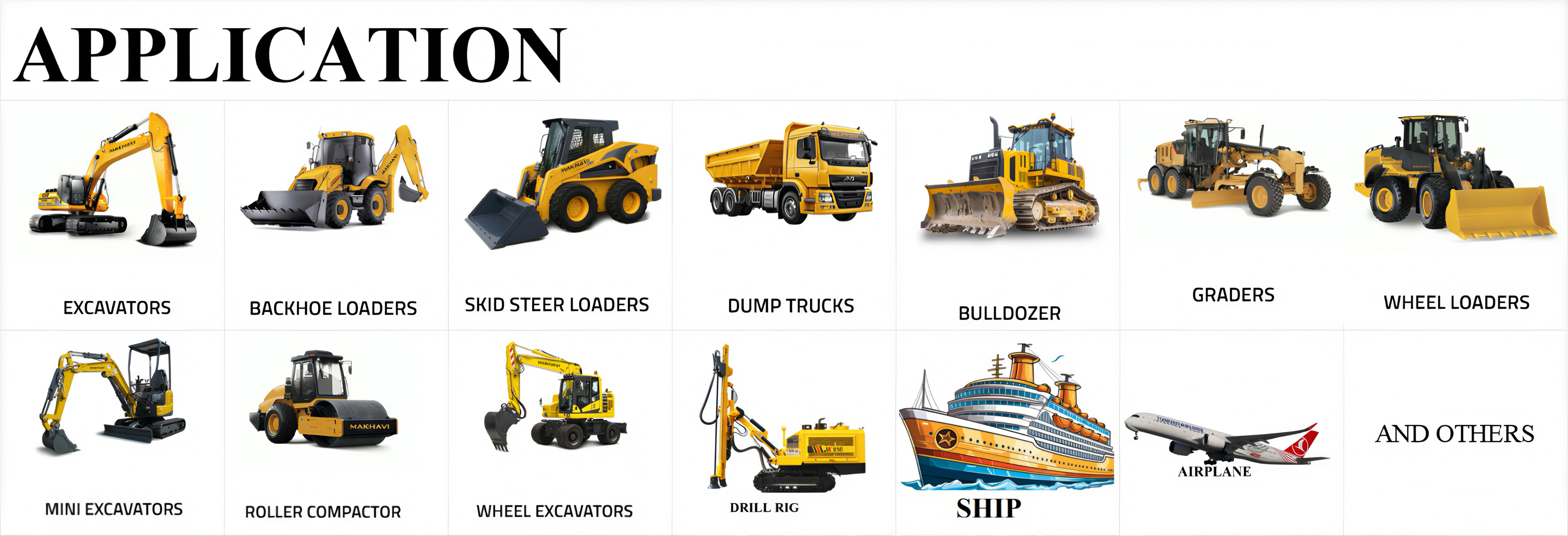
• Construction Machinery: Excavators and wheel loaders use these to control travel speed and hold the machine on inclines.
• Agriculture: High-horsepower tractors use hydraulic brakes to manage heavy towed loads safely.
• Material Handling: Forklifts utilize brake valves for both stopping and "inching" (creeping forward while keeping high engine speed for lifting).
2. Hydraulic Filling Valve (Pre-fill Valve)
The filling valve is a large-diameter check valve used primarily in heavy-duty cylinders (like those on a hydraulic press) to allow for high-speed movement.
How it Works
When a heavy press "falls" under its own weight or moves rapidly downward via small auxiliary cylinders, the main large cylinder needs a massive volume of oil instantly to prevent a vacuum. The filling valve opens to let oil flow freely from an overhead tank into the cylinder. When the press hits the workpiece and needs high pressure, the valve closes, allowing the pump to build the necessary force.
Key Functions
• Anti-Cavitation: It prevents "voids" or vacuum pockets in the cylinder during fast movement.
• Speed Efficiency: It allows the machine to move faster than the hydraulic pump could actually fill it.
• Oil Discharge: It acts as a large-scale exhaust to dump oil back into the tank when the cylinder retracts quickly.
Common Applications
• Hydraulic Presses: For forging, stamping, and bending.
• Injection Molding Machines: Used during the high-speed clamping phase.
• Die Casting Equipment: Manages the rapid advance of large clamping cylinders.
Comparison at a Glance
|
Feature |
Hydraulic Brake Valve |
Hydraulic Filling Valve |
|
Main Goal |
Controlled deceleration and holding force. |
Rapidly filling large cylinders with oil. |
|
Typical Size |
Small to medium (precision focus). |
Large (flow volume focus). |
|
Trigger |
Foot pedal or pilot signal. |
Pressure differential or mechanical cam. |
|
Industry |
Mobile equipment & transport. |
Industrial manufacturing & heavy presses. |