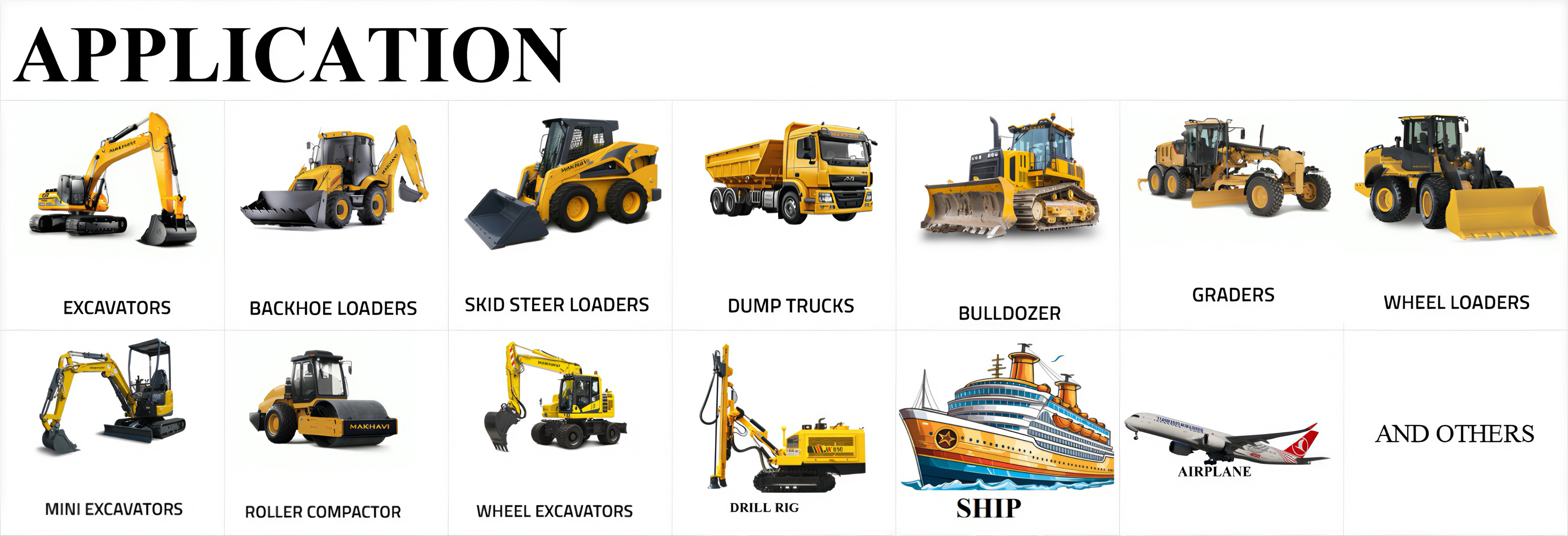
Cartridge valve
-
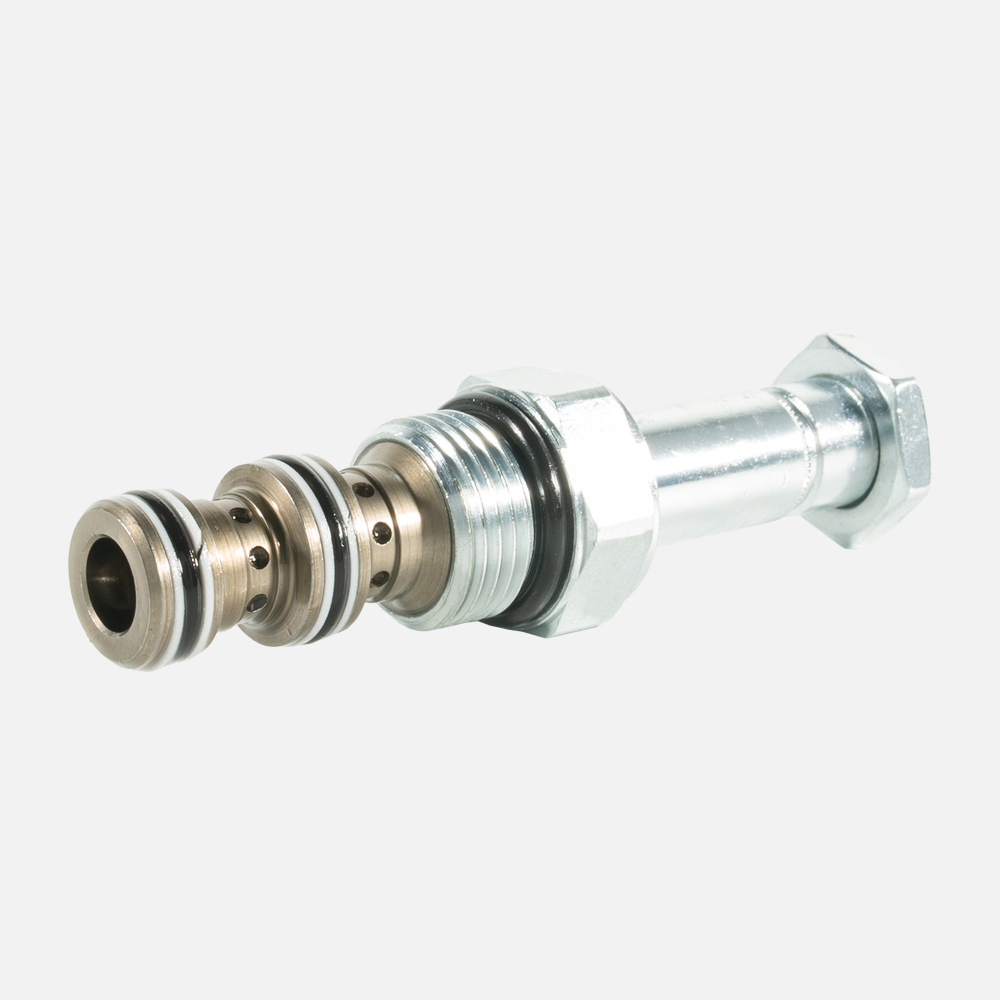
23DH-E08 Spool 3-Way 2-Position Solenoid Valve
-
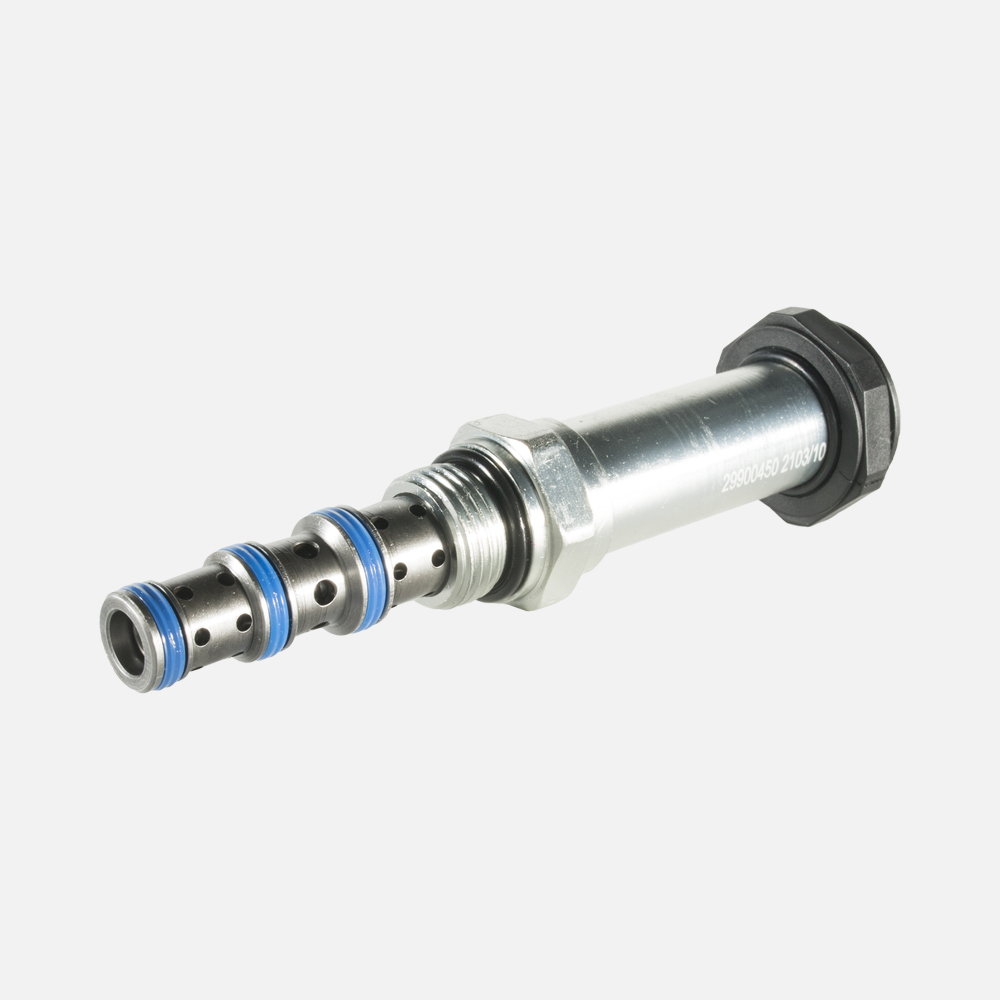
2-position 4-way electric valve change 24DH-C08H
-

20YL-08 DIRECT-ACTING RELIEF VALVE
-

23YL-10 pilot operated relief valve
-
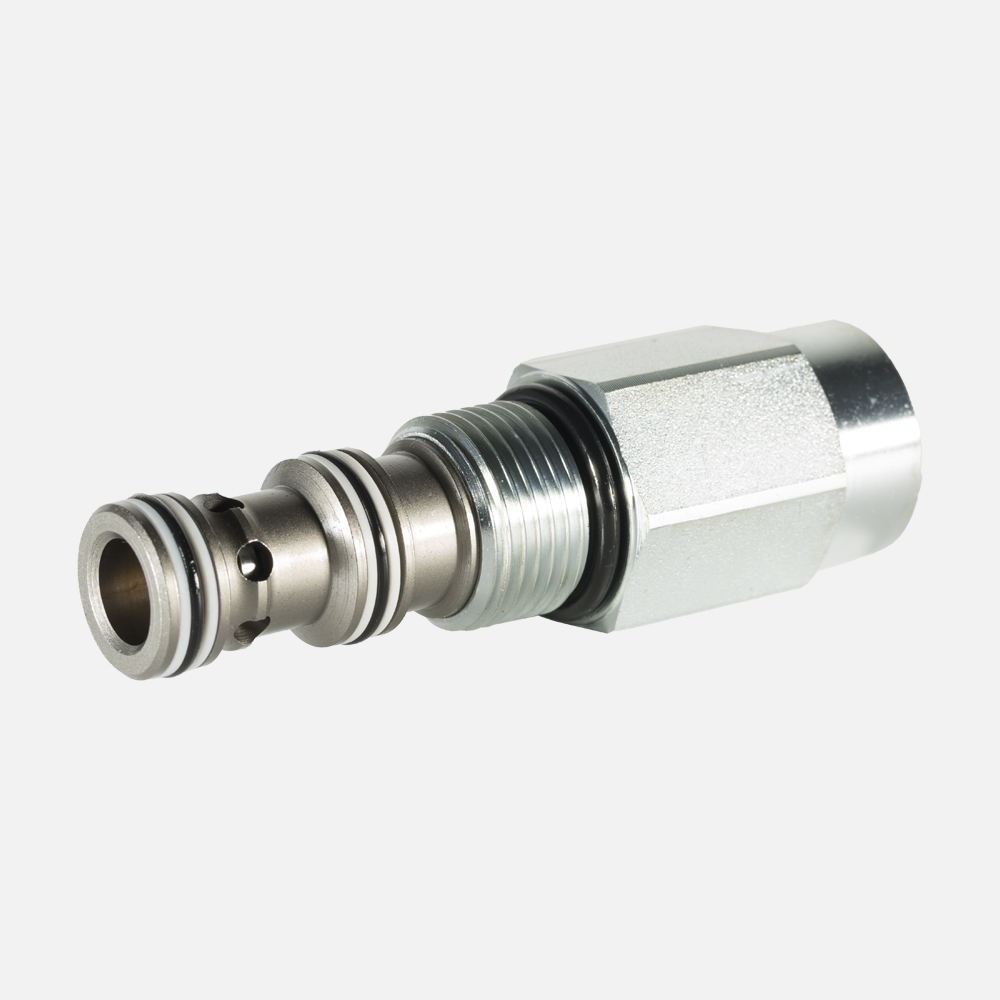
22LJ-08 Piloted Logic Element Valve
-
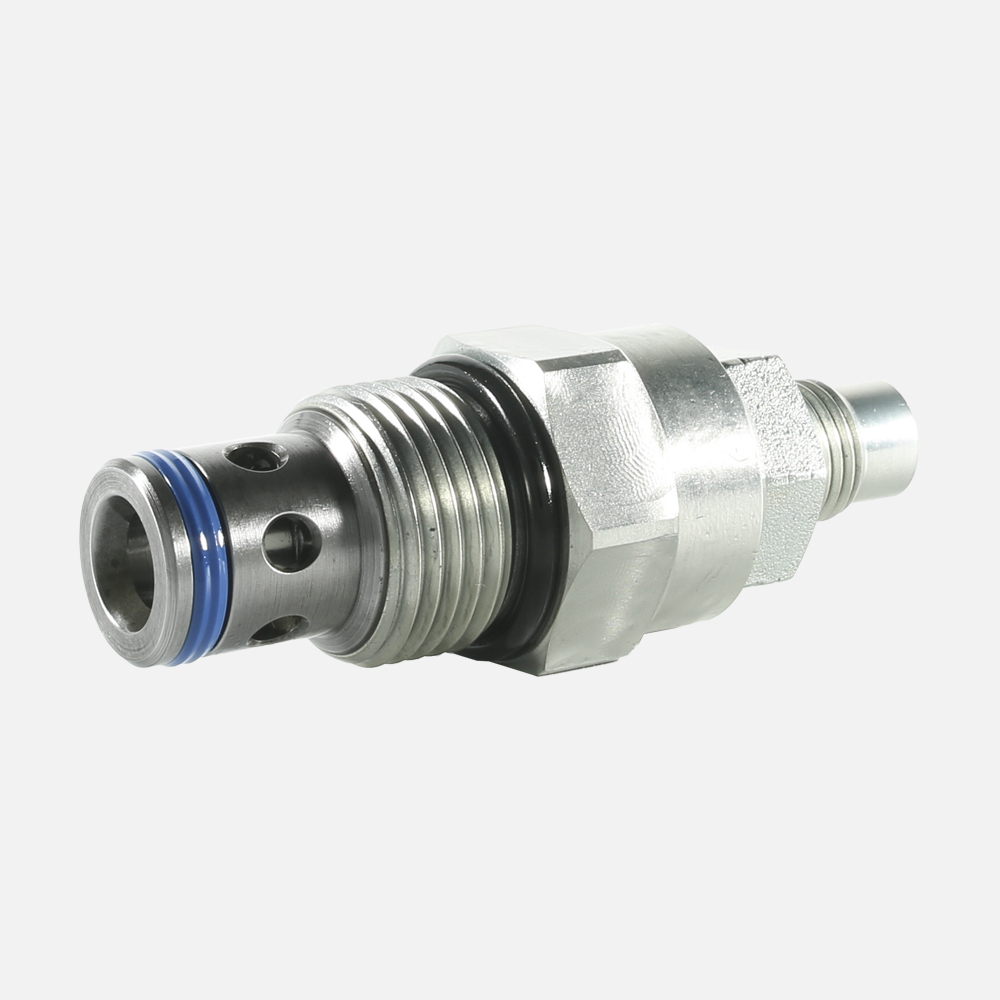
20L-10 Hydraulic Needle Valve (throttle valve)
-

Pilot operated proportional pressure reducing relief valve 23BL-72-30
-

Counterbalance Valve 30PH-Y300-1.0
Spassun hydraulic cartridge valves are compact, modular components designed to be inserted directly into a manifold block or custom-designed hydraulic integrated circuit (HIC). Think of them as the "integrated circuits" of the hydraulic world—instead of having a dozen separate valves connected by a messy web of hoses, you screw or slip multiple cartridge valves into a single metal block to create a streamlined, high-density control system.
1. Core Types: Screw-In vs. Slip-In
There are two primary formats for cartridge valves, each suited for different power levels and applications.
A. Screw-In Cartridge Valves (SiCV)
These are the most common type for mobile and light industrial equipment. They feature a threaded shoulder and are tightened into a cavity like a bolt.
• Best For: Lower flow rates, modular customization, and space-saving on mobile machines.
• Benefits: Extremely easy to replace in the field; a technician can unscrew one and pop in a new one in minutes.
B. Slip-In Cartridge Valves (Logic Elements)
Also known as 2/2-way valves, these are inserted into a non-threaded cavity and held in place by a cover plate.
• Best For: High-flow, high-pressure industrial systems (like massive presses).
• Benefits: Because they lack threads and use a large poppet design, they can handle massive oil volumes with very little pressure drop or heat generation.
2. Key Functions
A cartridge valve is not a single type of valve, but rather a packaging format. Nearly any hydraulic function can be "cartridged":
• Pressure Control: Relief valves, pressure-reducing valves, and sequence valves.
• Flow Control: Throttles, needle valves, and flow dividers.
• Directional Control: Solenoid valves that start, stop, or change the direction of fluid.
• Load Holding: Counterbalance and pilot-operated check valves that prevent a heavy load (like a crane arm) from falling if a hose bursts.
3. Industrial Applications
Because they reduce weight and leak points, cartridge valves are ubiquitous across several sectors:
|
Application |
Role of Cartridge Valve |
|
Agricultural Equipment |
Manages lifting, tilting, and sprayer regulation in tractors and harvesters. |
|
Industrial Presses |
Slip-in logic valves allow for the rapid advance and high-pressure clamping of metal stamping presses. |
|
Aerial Work Platforms |
Counterbalance cartridges ensure smooth, safe lowering of workers in "cherry pickers." |
|
Excavators |
Compact manifolds control auxiliary attachments like hydraulic hammers or shears. |
|
Log Splitters |
A single manifold with relief and directional cartridges manages the entire splitting cycle. |
4.Why Use Them? (The "Manifold" Advantage)
• Reduced Leak Points: By integrating many valves into one block, you eliminate dozens of threaded fittings and hoses where oil could potentially leak.
• Compact Footprint: They allow for incredibly complex circuits in a very small physical space, which is vital for modern, streamlined machinery.
• Energy Efficiency: Short, internal flow paths within a manifold reduce "parasitic" pressure drops, meaning the engine doesn't have to work as hard to move the oil.
• Cost-Effective Maintenance: Instead of replacing an entire expensive valve assembly, you only replace the small, standardized cartridge that has failed.